Six Enemies of Heat Loss in Homes
By Brett Sichello · Originally published , updated
Providing warmth and comfort should be a precondition of any home, yet many homes fall short and rely on high energy bills to stay comfortable. Knowing the six enemies of heat loss helps you recognize quality construction.
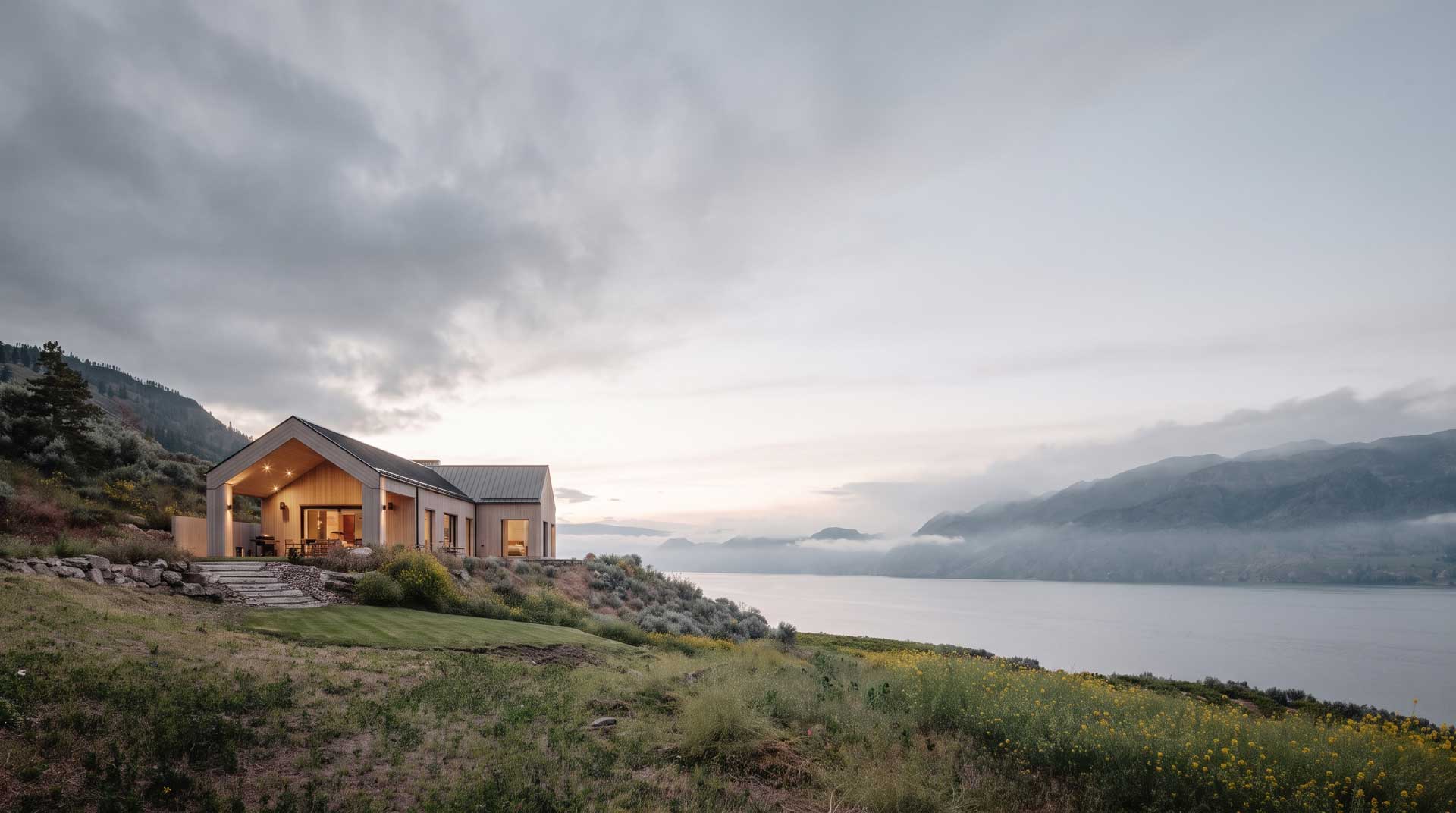
Buying or building a house is one of the most significant investments of our lives. Being comfortable supports health, calm and productivity. If you are building new, this is your chance to build a home that performs much better than most on the market. If you are buying an existing house, knowing what to look for helps you avoid heat loss problems.
1. Uncontrolled air leakage
Some contractors say a house has to “breathe”. In fact, uncontrolled air leakage is the weakest link in a home's energy performance. It can add a large share to heating demand, much like leaving a door open in the middle of winter, and it also raises comfort, mould, moisture and durability concerns.
The best way to get excellent air quality without these problems is to build the house very tight and install a high efficiency heat recovery ventilator (HRV), which supplies continuous fresh air preheated by the warm air going out. Build it tight, ventilate right. Airtightness is a measure of construction quality, and a blower door test just before drywall is installed verifies it. That test shows how well the building is doing, and gives you a one-time chance to seal leaks. See Vapour Barriers and Air Tight Envelopes.
2. Thermal bridges
A thermal bridge is a path where heat moves from inside to outside with nothing in the way, because insulation does not slow it down. Thermal bridges bypass the insulation you installed and reduce how well the whole house keeps heat. Typical locations include where slabs meet foundations, pipe penetrations, balconies connected to the house, framing studs and especially corners, window frames and installations, and where floors and roofs meet walls. Most thermal bridges can be avoided through good, detailed design at little or no additional construction cost.
3. Lack of insulation
How much insulation is enough? If you build to current building code, the answer is usually not enough. A typical wall cavity simply cannot hold enough insulation, which forces the house to rely on a larger heating system. Insulation is among the least expensive building materials, yet it is often used sparingly.
Once you go beyond minimum code framing, you can add as much insulation as you need at a small incremental cost. Our Passive Houses are optimized to place as much insulation as is useful under the slab and floors, in the walls and above the ceilings. The result is greater comfort and a much smaller heating system.
4. Poor windows, poorly installed
Windows bring views, light, fresh air and passive heat. They can also be the most expensive item in a house, and they have the lowest insulating value, so windows in the wrong places cost heat in winter and overheat the house in summer. Do not buy the cheapest windows. Generally, find the best triple pane windows you can and have them quoted. The biggest influence on price is the number and size of the windows, so use them strategically:
- Use big windows for big views.
- Reduce or avoid windows in rooms where they provide little benefit.
- Avoid tiny windows that add cost without much value.
- South windows are the most useful for passive heating. East and west windows can add some heat gain but should be shaded carefully for the spring and fall equinox. North windows lose energy year-round, so use them sparingly.
- Glass performance is not everything. Frames, spacers and installation can all create weak links that should be optimized.
- Installation details are critical to avoid air leakage and thermal bridges, the other enemies on this list.
Read more in Triple Glazed Passive House Windows.
5. Inefficient heating systems
Efficient equipment is not hard to find these days, and rebate programs support efficient appliances and heating systems. Compare the performance of models, and do not commit to a type of system, such as radiant floors or a certain furnace, because it is specified for a conventional home. When building for energy performance, what counts is how well you have insulated, avoided thermal bridges and sealed the air leaks. Only after that should you decide how best to heat the house. At that point, the energy source matters less because you need so little, and there are options that avoid the cost of conventional equipment. See Radiant Floor Heating if you are considering one.
6. Range hoods, dryers and bathroom fans dumping warm air outside
Range hoods, clothes dryers and bathroom fans are high-powered devices designed to push the air you just paid to heat outside as fast as possible. They deserve a closer look in an energy efficient home.
Range hoods remove pollutants, odours and moisture, and they usually exhaust directly outside with no heat recovery. In a Passive House the continuous ventilation already supplies and exhausts more fresh air than a conventional house, with a boost setting for when you need more. The building code requires additional ventilation for gas ranges. With an induction cooktop, the range hood does little more than a bathroom fan does, so a recirculating hood with the exhaust located away from the stove and a boost switch can handle it. See Passive House Cooktop and Range Hood Exhaust.
Clothes dryers in most North American homes vent to the outside. That is costly, and it acts like a vacuum pulling air out of the house. It also forces the dryer onto an exterior wall, a prime spot for living space. A ventless condensing heat pump dryer can go in any room, uses much less electricity and is gentler on clothes. Combination washer-dryer units also save floor area.
Bathroom fans are the most regular source of exhaust and should connect to the heat recovery ventilator. We have seen, even on a site with an HRV, separate fans installed in each bathroom and vented straight outside.
We hope this guide helps you spot these problems and avoid them. For how we approach each one, see the FAQ.